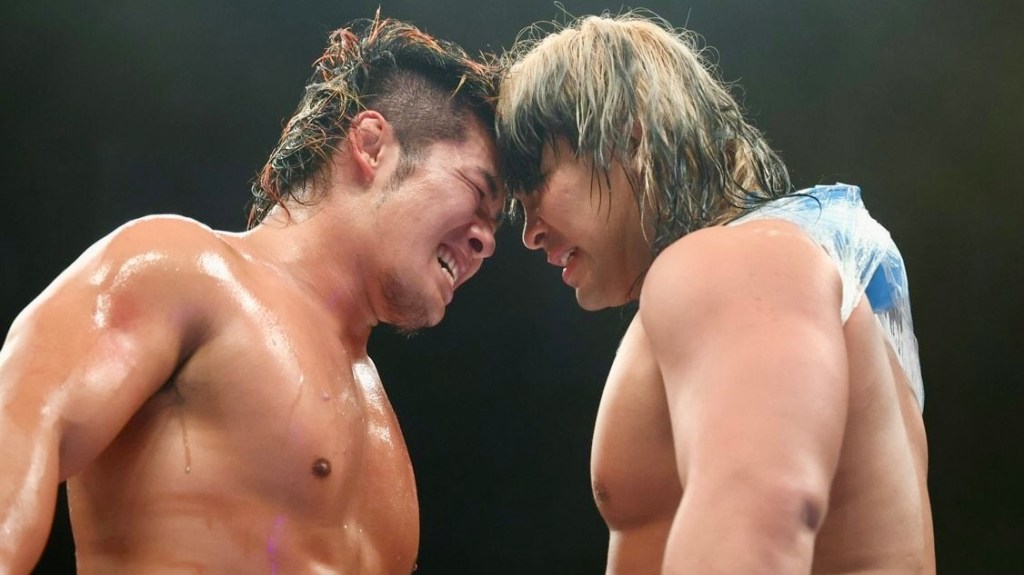
The 2026 edition of New Japan Pro-Wrestling’s annual summer tournament has come and gone, delivering arguably the best G1 in the last few years. Nearly every show in the month-long tournament had at least one must-see match, with Yota Tsuji and Konosuke Takeshita taking part in several of these.
It would ultimately come down to two names who found themselves in the finals for the first time – Ryohei Oiwa and Yuya Uemura.
Since returning in September 2024, Oiwa was worked toward proving he belongs at the top of the card with the rest of this new generation of New Japan stars. He’s had several standout sinlges and tag matches as part of TMDK, including two highly praised IWGP World Heavyweight Tag Team title matches alongside Zack Sabre Jr. against the defending champions, the Knock Out Brothers. It became clear that in Oiwa’s case, it was only a matter of time until he was on the cusp of the main event.
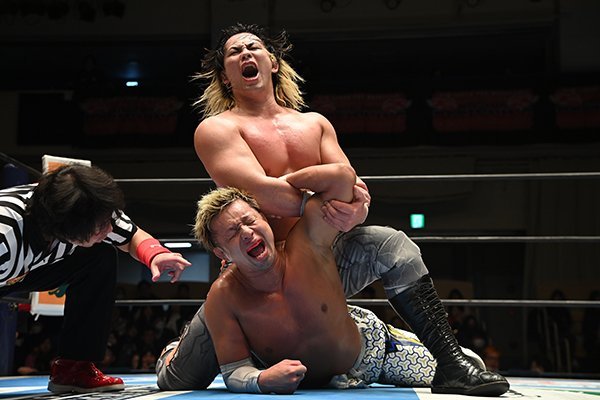
Uemura’s path to the 2026 G1 Finals has been more up-and-down by comparison since he returned from excursion in October 2023. He was added immediately to Just 5 Guys during that group’s run, including SANADA’s only world title reign in New Japan. Injuries and questionable booking have only made it harder for Uemura to build any real momentum. However, this changed in 2026 as the ‘Heat Storm’ has been on arguably the best run of his New Japan career between making it to the finals of the New Japan Cup and his own standout tag title match alongside Shota Umino against the champs, the Knock Out Bros.
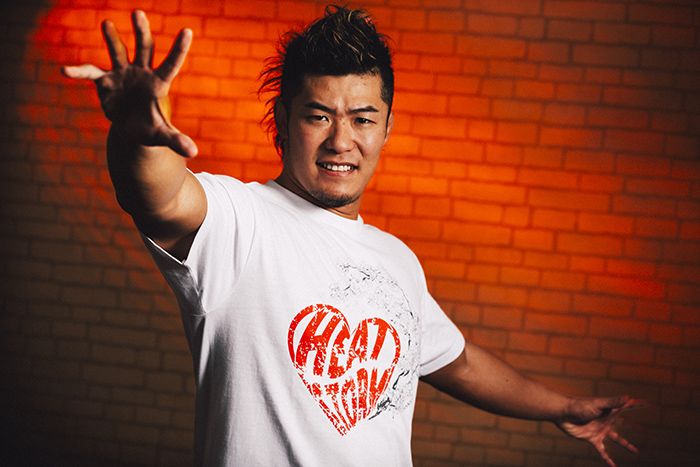
And when the time came for these two young stars to lock up in the G1 Finals, these two delivered a match that took the wrestling world by storm. It didn’t have any crazy displays of athleticism like in a Will Ospreay match, the story-driven moments of a Roman Reigns match, or the violence of a Nick Gage match.
Uemura, 31, and Oiwa, 27, went just over 35-minutes in a physical chess match revolving around two moves – a headlock and a wristlock.
Rather than doing what fans and pundits have become accustomed to in the modern pro wrestling industry, the pair had a match that felt ripped right out of the mid-70s NWA world title scene. Swap out Ryugoku Sumo Hall in Tokyo, Japan, for the Bayfront Center in St. Petersburg, Florida, in 1975 and you have a stand-in for Dory Funk Jr. vs. Jack Briscoe for the NWA World Heavyweight Championship.
As the old saying goes, “what’s old is new again.”
The last decade has seen an explosion in hyper-athletic professional wrestlers capable of putting on jaw-dropping matches. This was thanks to matches like Will Ospreay vs. Ricochet in 2016 or the series of matches between Kazuchika Okada and Kenny Omega in New Japan catching fire online, spreading across the wrestling world very quickly and effectively creating a generation of wrestlers.
While the finals between Oiwa and Uemura had some big spots, including a Hi Fly Flow by Uemura, the heart of the match’s story was these two working over specific body parts on the other for good reason.
The headlock was a point of tension as the finals was days removed from one of the final set of block matches, including Oiwa vs. Hirooki Goto. In it, the TMDK member made use of his powerful left arm in the closing stretch of the match but not to win with his heavy lariat, The Grip, Oiwa locked Goto into a side-headlock and was able to win thanks to the pressure his bicep put on Goto’s head and neck.
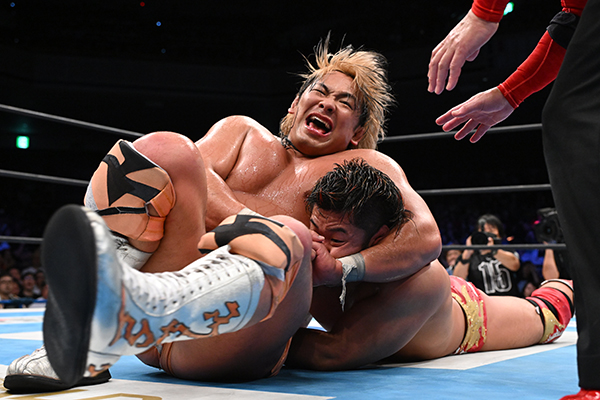
As for the wristlock, this was employed heavily by Uemura for two reasons. First was to weaken Oiwa’s strong arm, hopefully taking Oiwa’s lariat out of the match along with the threat of the headlock. Uemura has also employed an armbar submission in the past to win, making it clear to fans what Uemura’s strategy was for this match from the outset.
The next half hour saw the two go back and forth, trading attempts at headlocks and wristlocks to win the tournament and its guaranteed IWGP Heavyweight Title shot. The aforementioned Hi Fly Flow by Uemura would be the biggest spot of the match, with Uemura and Oiwa relying mostly on a combination of technical skill and striking power.
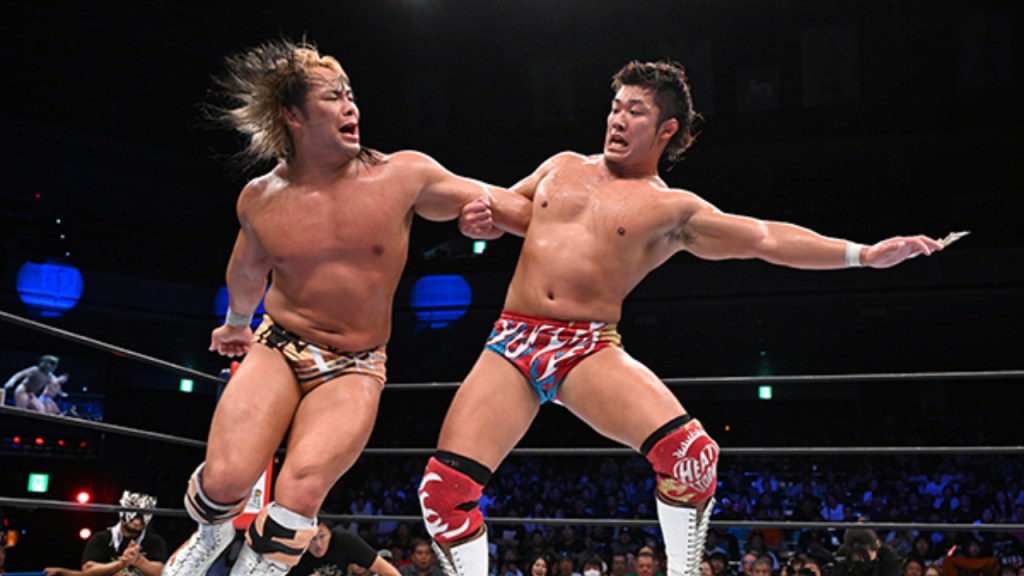
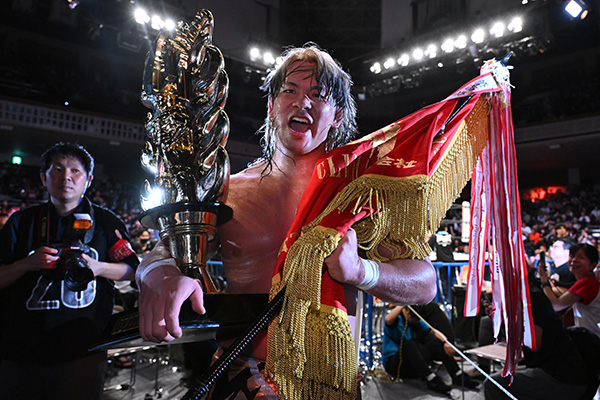
All the while, the crowd can be heard going along to every beat of the match. Oiwa would ultimately emerge the victor after finally locking in his headlock on Uemura who fought valiantly but wasn’t able to escape the hold or reach the ropes, forcing referee ‘Red Shoes’ Umino to call for the bell.
Oiwa had won the G1 Climax 36.
New Japan is often a trendsetter for the rest of the industry when it comes to in-ring styles, especially in the last 10 to 15 years. It would not be surprising to start seeing “copycats” appear all over the U.S. and European independent scenes, especially if similar matches take place at King of Pro-Wrestling in October and Wrestle Kingdom on January 4, 2027.
If that happens, it may start to feel like wrestling fans have just taken a time machine back to watch the best of the “old school” first-hand, and the industry will be better for it.
 Minimum Wage Nerd