Shape-shifting dragons, skeleton ninjas, masked bikers, and perhaps a living incarnation of Death.
These are just a few of the ideas and characters that permeated the world of Lucha Underground for four seasons on the El Rey Network. Lucha Underground was the answer to a fairly simple question – what if a Robert Rodriguez directed a movie around an underground wrestling promotion?
And the show oozed Rodriguez’s sensibilities, from the general aesthetic style to the variants of wacky characters ranging from bikers and ex-soldiers to full-blown deities. The show felt like it could easily exist in a world like From Dusk Till Dawn or El Mariachi.
The one thing not clear, though, was would wrestling fans in 2014 gravitate to such an outlandish show in a wrestling world built more on realism than ever.
These fears were ultimately disproven as viewers were immediately sucked into this larger-than-life universe set in this intimate venue. Lucha Underground became one of the biggest talking points in professional wrestling between the outlandish stories and characters, production quality, and list of indie wrestlers and luchadors populating the show.
But how could this be? In an industry where fans rolled their eyes at any supernatural or “spooky” stories and gimmicks at the time because of how utterly ridiculous they seem in those promotions, how could Lucha Underground pull this off?
The answer is just following the simplest rules of storytelling.
In any story, whether it be in a book, video game, or movie, one of the first things told to the audience directly or indirectly are the rules of said world. Audiences are given a clear-ish picture of how the world operates so they accept how a story unfolds in said world. Over time, these rules can be changed or broken as a result of the narrative so it feels more natural versus just shoe-horning a change in.
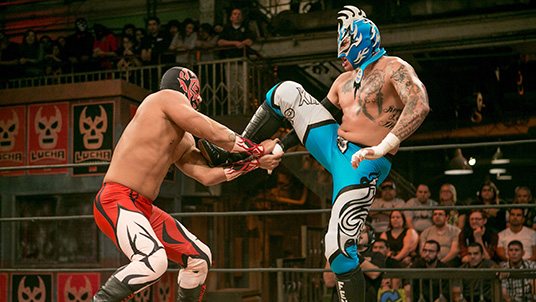
Lucha Underground almost had to do this right out of the gate given how ridiculous the world was going to get, and quickly. Viewers were given a clear picture of the box this world was playing in so when ideas like a mysterious woman who may actually be Death doesn’t feel out of place standing across from a masked biker named Son of Havoc inside an underground wrestling/fight club.
And ridiculous it got between turning famed luchadors Drago and Aerostar into a shape-shifting dragon and actual spaceman, respectively, a masked US Army veteran being stalked by a former-squad mate he believed was dead, and the promotion’s owner having a hulking brother it was implied was possessed by some monstrous entity, among many others.
Despite how insane it got, viewers gladly went along for the ride and see what happened over four seasons of the show. Sure there would be the kind of criticisms you’d expect from any show, whether it be pacing at times or certain plot points just not landing, but nothing that outright called anything contradictory to the rules of the world. It was a constant on this show that anything, whether it landed or not, didn’t feel out of place in this wrestling show created by El Rey.
It is why something like Mil Muertes vs Da Mack works on Lucha Underground and Undertaker at his most supernatural can feel out of place on WWE shows.
WWE is constantly establishing and breaking the rules of its own world constantly, never really giving audiences a chance to understand how something works in respect to the show. So for most fans, it goes from confusion over supernatural bits to a feud to falling back on the “oh, well at least we are getting a match between” whichever two wrestlers have a supernatural character.
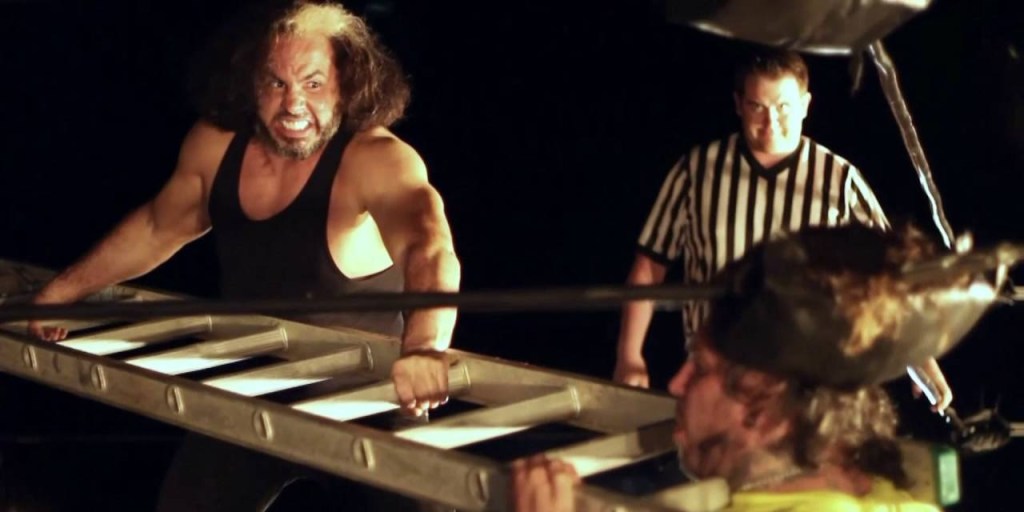
And WWE is hardly the only promotion to make this mistake, either. TNA had periods where it was very supernatural heavy and it still felt out of place because of how it was presented. That said, the quality of TNA’s overall product at many times led many viewers to “let it slide” since the supernatural stuff ended up being some of the more entertaining parts of TNA’s shows at times, such as Matt Hardy’s Broken Universe.
The other thing setting up these rules clearly and following them helps prove that the show isn’t going to try to insult viewers’ intelligence. It shows that audience is going to have their time spent watching rewarded, so long as the actual quality still holds up that is. Regardless, it at least shows that the series is at least trying to be respectful of viewers’ time.
In the case of Lucha Underground, what ultimately killed it was a combination of El Rey’s overall declining viewership, talent wanting out of their absurdly long contracts, and the ever-rising production costs. It didn’t leave a sour taste in fans mouths, though, and that remains true years after its cancellation.
There are and have been plenty of wrestling promotions, but there really will only be one Lucha Underground.
 Minimum Wage Nerd